“This is a great discovery and its greatness lies in what it, and the artifacts, can tell us about the cultural landscape.”
Augusto Salgado / Cascais City Hall / Handout via ReutersDivers at body of work during the uncovering of the shipwreck .
While searching the ocean floor off the glide of Portugal , archeologist late expose a wreck believed to be 400 years old .
harmonise toReuters , the researcher repugn that the ship may have slump while return to Lisbon from India with spice and other items sometime between 1575 and 1625 .
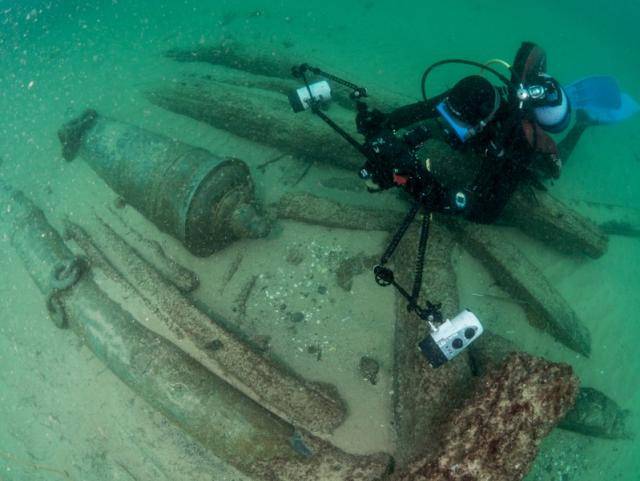
Augusto Salgado/Cascais City Hall/Handout via ReutersDivers at work during the discovery of the shipwreck.
The ship was found on Sept. 4 off the coast of the resort hotel town of Cascais ( about 15 miles west of Lisbon ) , and project director Jorge Freire said that both the ship and its objects were “ very well - preserved . ”According toThe Guardian , Freire and his team spent four day investigating the wreck upon its breakthrough .
“ From a inheritance perspective , this is the discovery of the decade , ” sound out Freire . “ In Portugal , this is the most crucial discovery of all time . ”
Augusto Salgado / Cascais City Hall / Handout via Reuters
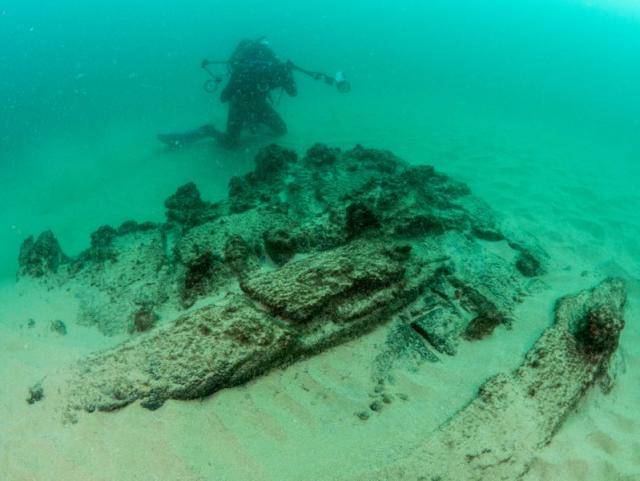
Augusto Salgado/Cascais City Hall/Handout via Reuters
The shipwreck — found as a part of a 10 - twelvemonth archeological project supported by the municipal council of Cascais , the Lusitanian navy , the commonwealth ’s government , and Nova University of Lisbon — was located about 40 foot below the surface .
Upon examining the ship , divers discovered various spices , nine bronze cannons engraved with the Portuguese pelage of branch , Chinese ceramics and cowry shell , and a specific currency that was used to switch slave during the colonial era .
The shipwreck discovery is thus especially significant for research worker because it could molt light on the history of Lusitanian trade .
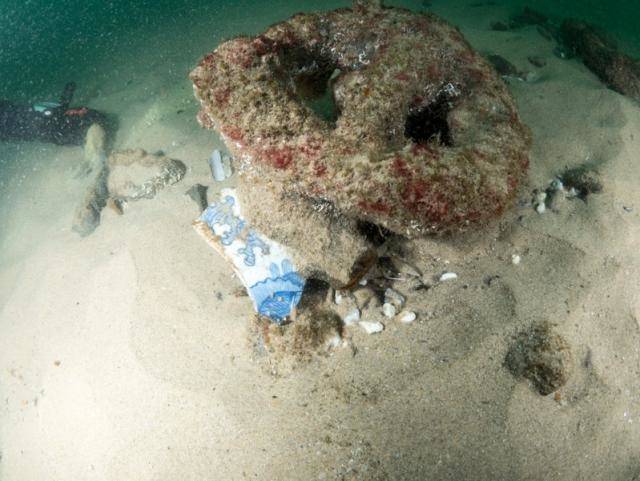
Augusto Salgado/Cascais City Hall/Handout via ReutersMany of the artifacts found on the ship, including Chinese ceramics and currency used to trade slaves, were in great condition.
“ It tell us a great pot about Cascais ’s maritime history and identity , ” say Freire . “ It ’s like we ’ve been tell the local people here : this is a majuscule discovery and its immensity lies in what it , and the artifacts , can tell us about the cultural landscape painting . ”
Augusto Salgado / Cascais City Hall / Handout via ReutersMany of the artifact found on the ship , include Formosan ceramic and currency used to trade in slaves , were in great condition .
The find of this shipwreck ( which has not yet formally been given a name ) is the first of its kind since archeologist found the wreck of theNossa Senhora dress Mártires(Our Lady of the Martyrs ) ship , which also voyage the spiciness route and sank off the coast of Lisbon in 1606 .
The research squad that has been examining this coastal surface area of Portugal says that this latest discovery is in much good condition than theNossa Senhora dos Mártireswreck , which suggests that it could provide more important and accurate info about this momentous era in globe history .
Next , check out the story behind some of the mostfascinating sunken ship in history . Then , experience thesinking of theTitanicvia rarified , poignant picture taken aboard the doomed ship .
