When you buy through links on our website , we may earn an affiliate deputation . Here ’s how it make .
About 2,500 years ago , mourners buried a Isle of Man in an elaborated grave , and covered his chest with a shroud made of 13Cannabisplants , accord to a new study .
The grave is one of a select few ancient Central Eurasian inhumation that archeologist have find to containCannabis . This picky grave , located in northwesternChina , sheds new sparkle on how prehistoric citizenry in the region used the plant in ritual , the researchers say .
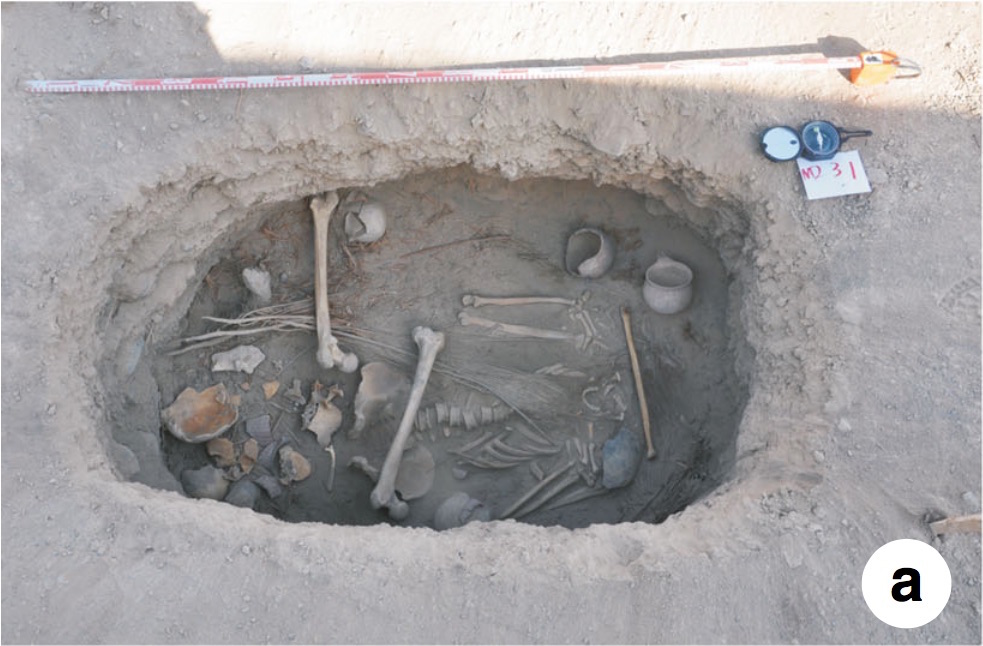
Jiayi’s tomb, M231, contained a skeleton with funeral objects andCannabisplants laid over the corpse.
The determination , " a noteworthy archeobotanical [ also spell ' archaeobotanical ' ] discovery in its own right hand , " came about after the part ’s innovative indweller decided to progress a new cemetery next to a picturesque haven , the researchers write in the study . However , building workers shortly find that an ancient graveyard was in their agency . [ 25 Grisly Archaeological Discoveries ]
Archaeologists came to the land site and apace discovered a premium of artifacts buried in the grave — bow , arrows and the clay of domesticated animal , including Capricorn , sheep and a horse skull — indicating that these ancient people rent in both hunting and creature farming , the investigator order .
The ancient Jiayi cemetery likely belong to the Subeixi refinement , according to analyses of earthenware potentiometer found in some of the graves . The Subeixi were the first known masses to live in the waterless Turpan Basin ( what ’s now western China ) starting about 3,000 years ago , and eventually transitioned into a farming society , according toArchaeology.about.com .

The location of the ancient Jiayi cemetery.
Cannabis shroud
In all , the archaeologists uncovered 240 ancient tombs , including that of the man with theCannabisshroud in tomb M231 . The cadaver of the man , a Caucasic about 35 years former when he died , were lying on a bed framing made of wooden slats . His school principal rested on a pillow created from usual reeds , and the grave was filled with earthenware pots , the archaeologist found .
But more astonishingly , " 13 nearly whole femaleCannabisplants were laid diagonallyacross the body of the deceased like a shroud , with the root and low-toned part of the plants group together and placed below the pelvis , " the researcher wrote in the study .
TheCannabisplants were long — about 19 to 35 in ( 49 to 90 centimeters ) in length , and reached to just under the man ’s chin on the remaining side of his face , the researcher said .
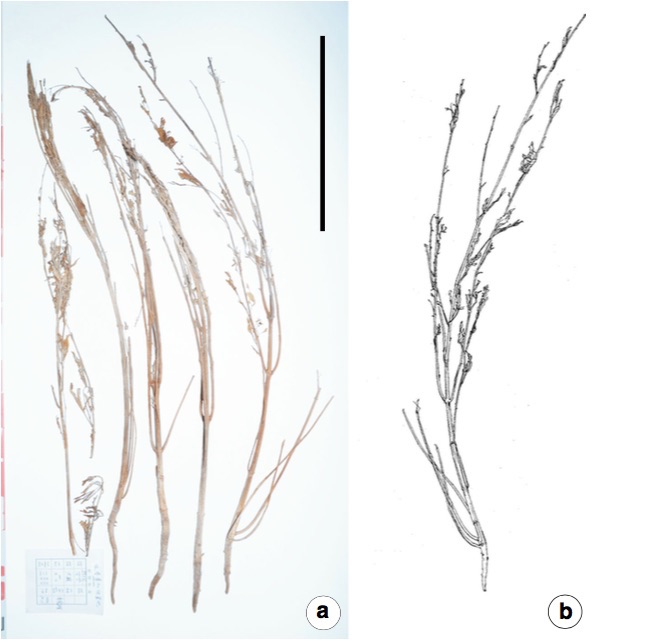
Five of the wholeCannabisplants discovered in tomb M231 (a) and one of the plants showing the reverse side (b). The scale bar equals 15.7 inches (40 centimeters).
Immature fruits on theCannabisplant suggest that they were uprooted in late summer , indicate that the world was sink in previous August or early September , the researchers said .
Although the grave accent is between 2,400 and 2,800 years old , according to radiocarbon geological dating , theCannabisremained intactbecause the region is bone - juiceless , the researchers said . There are year when it does n’t even rain . But river deposits , such as Amandine Aurore Lucie Dupin and pebble — as well as the ancient remains of pee plants , including horsetail and reeds — indicate that the ancient Jiayi cemetery once sat next to a riverbed , the research worker said .
“Weedy” graves
Grave M231 is hardly the only ancientCannabis - containing burial . The Turpan Basin has another Subeixi graveyard squall the Yanghai cemetery , which is also dated to the first millennium B.C. , according to a 2006 sketch in theJournal of Ethnopharmacology . One of its burials had a with child supplying of processedCannabisflowers in two container — a gyrate leather basket and a wooden roll — that model next to a male corpse , the 2006 study found . [ In Photos : Ancient Silk Road Cemetery ]
The grave accent did n’t hold any grounds of hemp clothing or rophy , which are made of theCannabisplant . Rather , the industrial plant ’s large seeds and high presence of cannabinol ( a degraded product of the plant ’s psychoactivetetrahydrocannabinol , or THC ) suggest that theCannabiswas used as a psychotropic gist , the research worker said .
Another ancient Yanghai grave containedCannabisflower heads , indicating that people may have used it for medicative purposes , the researchers state .

Jiayi’s tomb, M231 (a). A close-up of theCannabisin the grave (b). A line drawing showing the grave’s contents, including intact earthenware pots (1 to 4); broken earthenware pots (5 to 7),Cannabisplants (8); pillow fragments (9); and wild grasses (10) (c). The lower layer of the tomb has a wooden bed frame and reed pillow (d).
In plus , archaeologists have foundCannabisin graves site in tomb of the Pazyryk culture in southerly Siberia , where there is also evidence of the industrial plant ’s " ritualistic if notpsychoactive use , " the researchers wrote in the study . Experts also discovered the plant in an Altai Mountain Pazyryk - culture tomb of a woman who had died of breast cancer and possibly used theCannabisto help her cope with symptoms , the researchers said .
" plain , medicinal — and peradventure spiritual , or at least ritualistic — Cannabisuse was a far-flung custom among Central Eurasiatic people during the first millennium before the Christian epoch , " the researchers write in the study .
The findings were publish online Sept. 20 in thejournal Economic Botany .

Original clause onLive Science .